

Use cases
Session Memory vs Long-Term Memory for AI Agents
One of the most common mistakes in agent architecture is treating memory like a single feature. A team adds a session backend, sees the agent remember the last few turns,
Artifilog is a creative blog that explores the intersection of art, design, and technology. It serves as a hub for inspiration, featuring insights, tutorials, and resources to fuel creativity and innovation.
One of the most common mistakes in agent architecture is treating memory like a single feature. A team adds a session backend, sees the agent remember the last few turns,
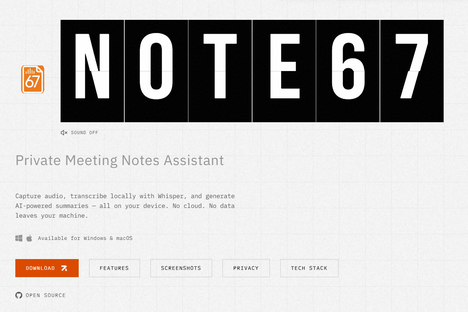
A year ago, AI meeting note takers were the hottest productivity tool since Slack. Today, the market is in freefall consolidation — 15+ providers fighting for a shrinking addressable pool,

You ship a voice feature on Friday. Monday morning, your monitoring shows 429s on 60% of TTS requests. Your free tier ran out. Users are hearing silence. You scramble to
You know that sinking feeling. You just spent 45 minutes in a meeting hashing out an architecture decision, and now you're staring at your screen trying to reconstruct who said
If you are learning how to package a skill for Claude Code agents, start by thinking like a tool maintainer—not a prompt collector. A useful skill packages one repeatable behavior

IntroductionMost AI applications still send every request to the same frontier model. It is easy to understand, easy to debug, and often wildly more expensive than necessary. A support FAQ,

OpenRouter free models are useful until your app starts throwing 429 errors in the middle of a run. Then the word "free" suddenly feels less clear. Is the model down?

OpenRouter routes billions of tokens across hundreds of AI models through a single API — but pricing changes, rate limits, latency spikes, and vendor lock-in push many teams to look

You publish an article under your own name. A reader calls it "obvious AI slop" and points to its polished sentences. You say you wrote it. They reply with a

The open-source generative AI revolution has reached a historic inflection point. In 2026, running local text-to-image models on your own workstation is no longer a compromise—it is the industry standard

Managing your own self-hosted AI proxy infrastructure in 2026 has quickly become an operational headache. Between maintaining PostgreSQL audit tables, scaling Redis cache clusters, keeping Docker containers healthy, and constantly
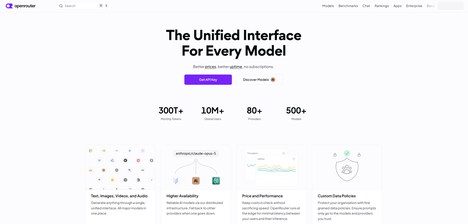
A support agent at one company spent a weekend making the same failed API call over and over — no spending cap, no fallback, nobody watching. By Monday morning the